

Intercom & Entry Systems
Knowing who's at the door — and being able to let them in without walking down three flights — is one of the oldest problems in a New York building, and one of the most commonly broken.
Dead buzzers, a handset that hums but won't release the door, a directory with half the names worn off: we see it in Queens walk-ups, Bronx multi-family buildings, and offices where the front entry was wired in the era before anyone thought about video.
We install and service
intercom systems in Queens, NY — from simple audio buzzers to full IP video entry that rings a tenant's phone — and we're honest about what your existing wiring can carry before you spend.
Why intercoms fail
and why the fix isn't always a full replacement
Most intercom failures come down to three things: the station at the door, the wiring in the walls, and the electric strike or mag lock that actually releases the door. When a buzzer "stops working," it's often just one of those — a corroded door station that's taken twenty years of weather, a strike that's worn out, or a single broken conductor in an old cable. The whole system gets blamed and replaced when a targeted repair would have done it.
The mechanism matters because it decides your cost. Older audio intercoms ran on multi-conductor cable, sometimes one pair per apartment, and that legacy wiring is buried in the walls of buildings that are expensive to open up. That's the real question on any intercom job in a New York building: can we reuse the wire that's already in the walls, or does the new system need a fresh run? The answer changes the price more than the hardware does, and it's the first thing we check.
Audio vs. Video Intercom
what you're actually choosing
An audio intercom does one job: someone presses a button, you talk, you buzz them in. It's simple, cheap to maintain, and still the right call for plenty of small residential buildings where the tenant knows the voice on the other end.
A video intercom adds a camera at the door so you see who's there before you release it — which, in a multi-tenant building or an office lobby, is the difference between "buzzing in whoever" and actually controlling entry. IP video intercom goes further: it rides on your network cabling, records a snapshot of who came to the door, and can ring a smartphone app so a tenant or a front desk answers from anywhere. For a commercial building or a facility, that's usually where the value is — you get a visual log of every person who stood at the entrance.
Our honest read: not every building needs IP video. A small owner-occupied building may be well served by a clean audio system that just works. A larger multi-tenant or commercial property almost always benefits from video, both for security and for the record it keeps. We'll match the system to the building, not upsell the top of the catalog.
Multi-tenant buildings — the New York reality
Multi-tenant is where intercoms get complicated, and it's most of what we do. A twelve-unit Queens building needs a lobby station with a working directory, a reliable release for each apartment, and — increasingly — the option for tenants to answer from their phones so packages and guests don't sit at the door. Turnover makes this worse: every time a tenant moves, the directory needs updating, and a paper strip behind cracked plastic doesn't cut it. IP systems let you update the directory and manage answering points without re-labeling the panel by hand.
We also handle the piece landlords forget: the door hardware. The nicest video panel in the world is useless if the electric strike is worn or the mag lock isn't wired to fail safe on a fire alarm. We check egress and code compliance as part of the job — the door has to let people out safely, every time, no exceptions.
Retrofitting a dead intercom onto old wiring
This is the question we get most: "Can you put in a new intercom without tearing open my walls?" Often, yes. Many modern systems are designed specifically to reuse existing intercom wiring — even two-wire legacy cable — so we can bring a dead building buzzer back to life, or upgrade audio to video, without a full re-wire.
It depends on what's in the walls: how many conductors, what condition, and where the runs actually go. When the old cable is intact, a retrofit is dramatically cheaper than new cabling. When it's corroded, cut, or was never run right, we're straight with you that a fresh run is the honest fix — and if we're pulling new wire anyway, that's the moment to think about tying entry into a broader access control plan.
Because a modern entry system is really a door-control system, it pairs naturally with the rest of the building. We tie intercoms to
access control so the same door reads a fob, a code, or a released buzzer, and to video surveillance so the entry camera is part of your recorded footage. And all of it rides on
structured cabling done right — the backbone we run so an IP intercom actually stays online.
Fiber, Backbone and the Multi-floor Reality
For a single-door commercial or small-residential setup, a straightforward audio intercom replacement often lands in the $700–$1,800 range installed, depending on the station and the door hardware.
A video intercom at one entrance typically runs $1,500–$4,000+ installed once you factor the camera station, the answering points, and the strike or mag lock. Multi-tenant IP systems scale with the number of units and answering points and can run higher, especially if each apartment needs a station or the building wants smartphone answering across the board.
What moves the price: audio vs. video vs. full IP, how many tenants and answering points, whether we can reuse existing wiring or have to run new cable, the condition of the door hardware, and whether the building needs code-compliant egress work at the same time. The biggest single variable is almost always the wiring question — reuse versus re-run — which is exactly why we check it before quoting.
What an Intercom or Entry System Costs
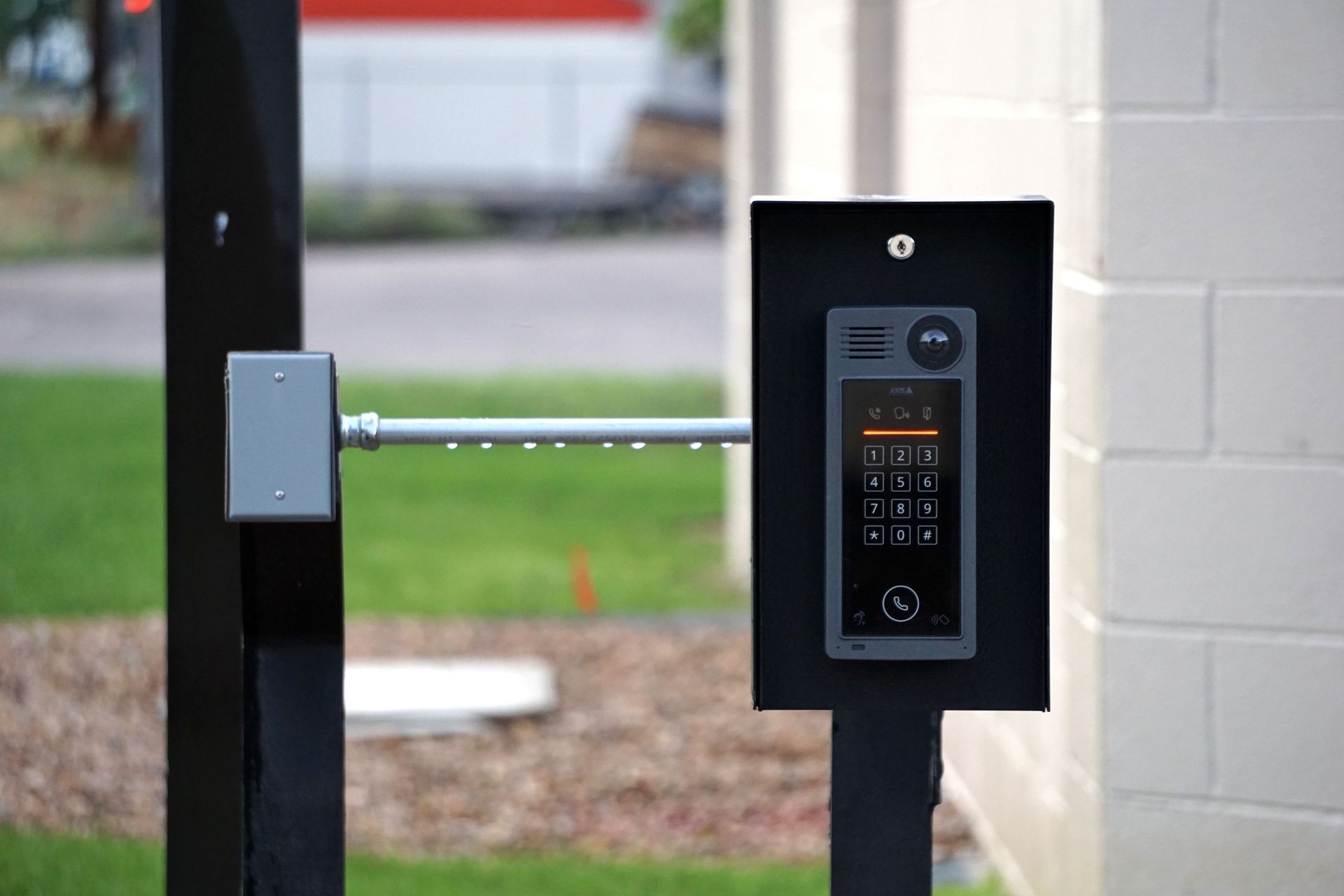
What Influences Cabling Prices?
For a single-door commercial or small-residential setup, a straightforward audio intercom replacement often lands in the $700–$1,800 range installed, depending on the station and the door hardware. A video intercom at one entrance typically runs $1,500–$4,000+ installed once you factor the camera station, the answering points, and the strike or mag lock. Multi-tenant IP systems scale with the number of units and answering points and can run higher, especially if each apartment needs a station or the building wants smartphone answering across the board.
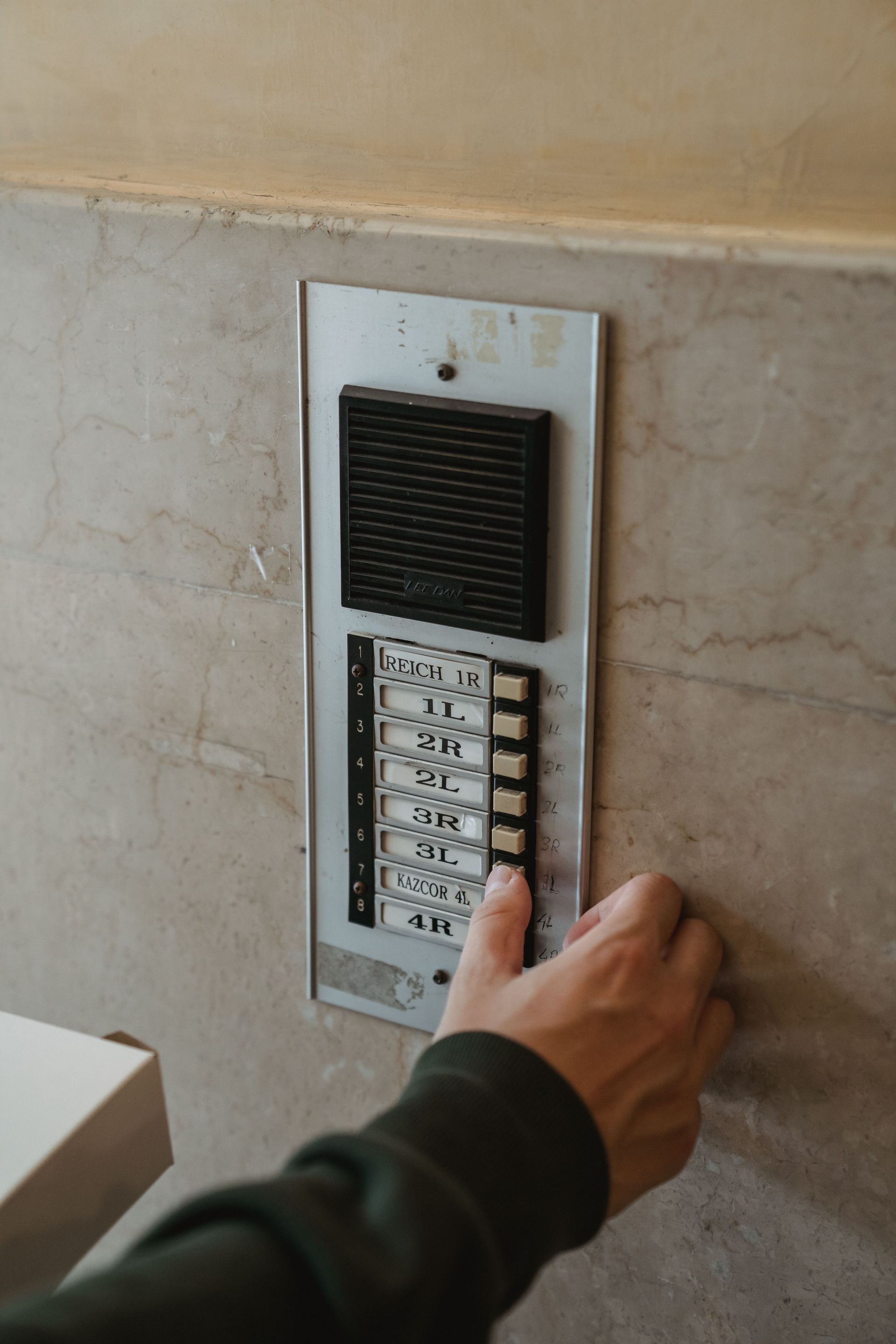
Factors Affecting Your Quote
What moves the price: audio vs. video vs. full IP, how many tenants and answering points, whether we can reuse existing wiring or have to run new cable, the condition of the door hardware, and whether the building needs code-compliant egress work at the same time. The biggest single variable is almost always the wiring question — reuse versus re-run — which is exactly why we check it before quoting.
Frequently Asked Questions About Intercom & Entry Systems
Can you replace a broken apartment or building buzzer system?
Yes — dead and broken buzzer systems are one of our most common calls, especially in Queens and Bronx multi-family buildings. Sometimes the fix is targeted (a corroded door station or a worn strike), and sometimes the whole panel is due. We diagnose whether it's a repair or a replacement before quoting, and we check the door release and directory as part of the job. Tell us what your building has now at 718-577-8339.
What's the difference between audio and video intercom?
An audio intercom lets you talk to whoever's at the door and buzz them in — simple and reliable. A video intercom adds a camera so you see who's there before releasing the door, which matters a lot in multi-tenant and commercial buildings where you're controlling entry, not just answering it. IP video goes further, keeping a visual record and ringing a phone. We'll help you decide which fits your building and budget — call 718-577-8339.
Can tenants answer the intercom from their phone?
With an IP video intercom, yes. Modern systems can ring a smartphone app so a tenant or front desk answers the door, sees the visitor, and releases the entry from anywhere. That's a real convenience in a multi-tenant building where packages and guests otherwise stack up at the door. It does require the right system and network cabling behind it, which we handle — ask about IP intercom options at 718-577-8339.
Can the intercom unlock the door and log entries?
Yes. An entry system is really a door-control system — it can release an electric strike or mag lock, and when tied to access control, it can log who came in and when. IP video systems can also capture a snapshot of each visitor at the door. We make sure any release is wired to meet egress and fire-code requirements so the door still lets people out safely. Ask how we'd tie it together at 718-577-8339.
Can you retrofit a new intercom onto old wiring?
Often, yes. Many modern intercoms are built to reuse existing wiring — including two-wire legacy cable — so we can revive or upgrade a system without opening every wall. It depends on how many conductors are in the walls and what condition they're in. When the old cable is good, a retrofit is far cheaper than new cabling; when it's corroded or cut, we'll tell you a fresh run is the honest fix. We check the wiring first — book a look at 718-577-8339.
Bring Your Building's Entry Back to Life
Tell us what's at your door now — a dead buzzer, aging audio, or nothing at all — and we'll walk it, check the wiring, and tell you honestly whether it's a repair, a retrofit, or a replacement. Owner-inspected work from a Queens low-voltage shop that's been wiring New York buildings since the '90s.
NYS Licensed Alarm Installer #12000086085 · In business since 1996